



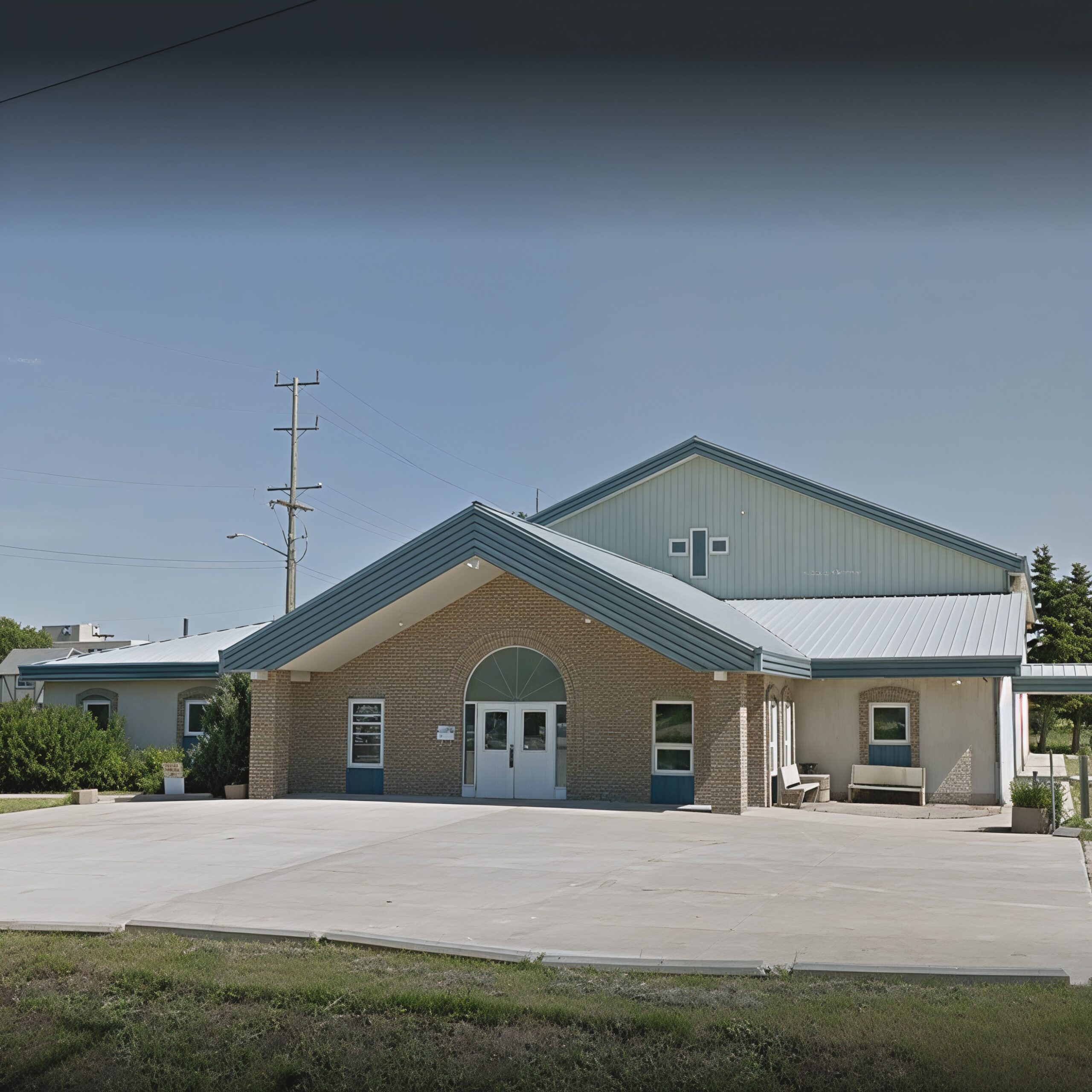
Philadelphia Eritrean Church Ministries

Children Ministry | ክፍሊ ህጻናት
Children’s Ministry in a PECW Church plays a vital role in nurturing the spiritual, moral, and social development of children, helping them form a personal relationship with God from an early age. Below is an overview of what it typically involves, its biblical foundation, objectives, structure, and practical approaches.
1. Biblical Foundation
Children’s ministry is deeply rooted in Scripture:
- Proverbs 22:6 – “Train up a child in the way he should go, and when he is old, he will not depart from it.”
- Matthew 19:14 “Let the little children come to me, and do not hinder them, for the kingdom of heaven belongs to such as these.”
- Deuteronomy 6:6-7 God instructs parents to teach His commandments diligently to their children.
These verses emphasise the importance of early spiritual formation and community involvement in children’s faith development
2. Core Objectives of Pentecostal Children’s Ministry
- Spiritual Formation: Leading children to salvation through Jesus Christ and encouraging them to be filled with the Holy Spirit.
- Bible Knowledge: Teaching biblical truths in ways that are engaging and age-appropriate.
- Character Development: Instilling Christian values such as love, honesty, obedience, and compassion.
- Worship and Prayer: Teaching children how to pray, worship, and experience God’s presence personally.
Service and Witnessing: Encouraging children to share their faith and serve others in love
3. Structure of a Typical Pentecostal Children’s Ministry
A Pentecostal church might organise its children’s ministry as follows:
| Age Group | Focus | Activities |
| Nursery (0–4 yrs) | Love of God, basic songs | Bible stories, playtime, music |
| Early Childhood (5–7 yrs) | Simple Bible truths | Crafts, puppet shows, memory verses |
| Pre-teens (8–12 yrs) | Faith application | Bible lessons, worship, small groups |
| Teens (13–15 yrs) | Leadership & service | Youth worship, mentoring, evangelism |
4. Common Ministry Activities
- Sunday School / Bible Club
Teaching foundational Bible lessons and moral values. - Children’s Worship Services
Joyful, music-filled services with dancing, singing, and dramatisations. - Vacation Bible School (VBS)
A week-long, themed program during school breaks focusing on Bible learning through fun. - Drama and Music Teams
Children learn to use their gifts to glorify God.
Prayer and Fasting Programs (age-appropriate): Teaching children to depend on God through prayer.
5. Key Principles of Pentecostal Approach
- Empowerment by the Holy Spirit: Children are encouraged to experience the presence of the Holy Spirit—praying in tongues, healing, prophecy—under proper guidance.
- Interactive and Experiential Learning: Teaching through stories, songs, and play rather than lectures.
- Family Involvement: Parents are seen as the primary disciplers; the church supports them.
Mentorship and Discipleship: Older youth or adults mentor younger children.
6. Challenges and Solutions
| Challenge | Solution |
| Limited trained teachers | Offer teacher training and workshops |
| Short attention spans | Use interactive lessons, visuals, and games |
| Competing influences (media, peers) | Provide relevant, modern biblical teaching |
| Parental disengagement | Create parent-teacher communication channels |
7. Expected Outcomes
- Children grow in their knowledge of the Word and in their relationship with God.
- Development of spiritual disciplines—prayer, worship, Scripture reading.
- Early identification of spiritual gifts and talents.
A strong foundation for lifelong faith and church involvement.

Youth Ministry | ኣገልግሎት መንእሰያት
Youth Ministry is one of the most dynamic and essential parts of a PECW Church, serving as the bridge between children’s ministry and adult involvement in the church. It focuses on grounding young people (typically ages 13–30) in faith, preparing them for service, leadership, and godly living in a complex world. Below is a comprehensive overview that covers its biblical foundation, objectives, structure, activities, and practical approaches, specifically tailored to the Pentecostal context.
1. Biblical Foundation of Youth Ministry
The Pentecostal approach to youth ministry is grounded in Scripture’s call to equip and empower young people for God’s purposes:
- 1 Timothy 4:12 – “Let no one despise your youth, but be an example to the believers in word, in conduct, in love, in spirit, in faith, in purity.”
- Ecclesiastes 12:1 – “Remember your Creator in the days of your youth.”
- Joel 2:28 / Acts 2:17 – “Your sons and your daughters shall prophesy…” — highlighting that youth can be filled and used by the Holy Spirit.
These verses reflect the Pentecostal belief that young people can experience the full power of the Holy Spirit and actively serve in ministry.
2. Core Objectives of Pentecostal Youth Ministry
- Spiritual Growth: Lead youth into a personal relationship with Jesus Christ and baptism in the Holy Spirit.
- Discipleship and Character Building: Help youth grow in spiritual maturity, holiness, and godly character.
- Empowerment for Service: Equip young people to utilise their spiritual gifts in evangelism, worship, and community service.
- Moral Guidance and Identity Formation: Address real-life challenges (peer pressure, relationships, career, faith doubts) through biblical principles.
Leadership Development:
Prepare young believers to become future leaders in the church and society.
3. Structure of a Typical Pentecostal Youth Ministry
| Group | Age Range | Focus Area | Key Activities |
| Junior Youth | 13–17 | Identity in Christ, purity, and obedience | Bible studies, worship nights, mentorship |
| Senior Youth / Young Adults | 18–25 | Leadership, relationships, purpose | Seminars, outreach, retreats |
| Emerging Adults | 26–30 | Ministry engagement, family life | Career and marriage counseling, leadership training |
Each group may have its own leaders, but operate under a Youth Pastor or Youth Coordinator with oversight from the church leadership.
4. Common Activities in Pentecostal Youth Ministry
- Weekly Youth Fellowship / Services: Spirit-filled worship, Bible teaching, testimonies, and altar calls.
- Prayer and Fasting Programs: Developing spiritual discipline and dependence on God.
- Bible Study & Discipleship Groups: Small groups for studying Scripture and discussing life issues.
- Youth Conferences & Camps: Intense times of revival, Holy Spirit baptism, and teaching.
- Evangelism & Community Outreach: Street evangelism, hospital visits, social work, and school ministry.
- Talent and Music Ministry: Youth choirs, drama, dance, poetry, and media teams.
- Workshops and Seminars: Covering topics like career development, entrepreneurship, purity, relationships, and leadership.
Mentorship Programs
Pairing younger youth with mature believers for guidance and accountability.
5. Pentecostal Distinctives in Youth Ministry
- Emphasis on the Holy Spirit:
Youth are encouraged to seek the baptism of the Holy Spirit, operate in spiritual gifts, and live Spirit-led lives. - Vibrant Worship:
Services include energetic praise, contemporary music, and spontaneous expressions of worship. - Evangelistic Zeal:
Youth are trained and motivated to share their faith boldly in schools, communities, and online spaces.
Holiness and Sanctification:
Strong teaching on moral purity, integrity, and godly living.
6. Challenges and Solutions
| Challenge | Possible Solution |
| Worldly distractions & social media pressure | Teach digital discipleship and balance; use social media for ministry. |
| Lack of commitment among youth | Foster belonging, mentorship, and active participation. |
| Spiritual shallowness | Focus on Bible teaching, discipleship, and prayer life. |
| Leadership burnout | Train multiple leaders, share responsibilities, encourage rest. |
7. Expected Outcomes
- Youth develop a strong, personal faith and Christian identity.
- Increase in Holy Spirit empowerment and ministry participation.
- Development of leadership and service skills.
- Youth become active witnesses for Christ in their schools, workplaces, and communities.
Strengthened church growth and generational continuity.
8. Example of a Weekly Youth Ministry Schedule
| Day | Activity | Focus |
| Friday Evening | Youth Fellowship | Worship, preaching, altar call |
| Saturday Afternoon | Outreach / Rehearsal | Evangelism or creative ministry |
| Sunday Morning | Youth Bible Class | Discipleship and discussion |
| Monthly | Prayer Night / Retreat | Spiritual renewal and empowerment |

Family Ministry | ኣገልግሎት ቤተሰብ
Family Ministry in a PECW Church is a powerful and essential part of holistic ministry. It focuses on building strong, Spirit-filled families that reflect God’s design for marriage, parenting, and community life. Pentecostal churches believe that healthy families make a healthy church, and therefore, the family is viewed as a central part of God’s redemptive plan. Below is a comprehensive overview of Family Ministry in a Pentecostal church, including its biblical foundation, objectives, structure, programs, and practical approaches.
1. Biblical Foundation of Family Ministry
Family ministry is rooted in God’s design for the home as the first place of discipleship and spiritual formation.
- Genesis 2:18-24 God established marriage and the family as His foundational institution.
- Deuteronomy 6:6-7 Parents are instructed to teach God’s Word to their children diligently.
- Joshua 24:15 “As for me and my house, we will serve the Lord.”
- Ephesians 5:22-6:4 – The family is a place of mutual love, submission, and nurturing in the Lord.
In the Pentecostal context, the family is seen not only as a natural unit but also as a spiritual unit, capable of experiencing the fullness of the Holy Spirit together.
2. Core Objectives of Pentecostal Family Ministry
- Strengthen Marriages: Teach and support couples to build Christ-centred, Spirit-led marriages.
- Equip Parents: Help parents become spiritual leaders in their homes—discipling, teaching, and modelling godly living.
- Promote Family Unity: Encourage love, communication, and forgiveness among family members.
- Support Children and Youth Development: Partner with children and youth ministries to ensure continuity of faith at home.
- Provide Counselling and Restoration: Offer biblical counselling for families facing conflict, divorce, addiction, or grief.
- Empower Families for Ministry: Encourage families to serve together in evangelism, hospitality, and community outreach.
3. Structure of Family Ministry in a Pentecostal Church
Family Ministry often functions under the Christian Education or Discipleship Department and may include several focus groups:
| Ministry Area | Focus Group | Purpose |
| Marriage Enrichment Ministry | Married couples | Strengthen marriages through teaching and retreats |
| Parenting Ministry | Parents and guardians | Train parents in biblical parenting |
| Singles & Young Adults Ministry | Single adults | Teach purity, purpose, and preparation for marriage |
| Men’s Fellowship | Husbands and fathers | Equip men as spiritual heads of the home |
| Women’s Fellowship | Wives and mothers | Encourage godly womanhood and mentorship |
| Family Counseling Unit | All families | Provide biblical guidance and prayer support |
4. Key Programs and Activities
- Family Worship Sundays:
Periodic services where families worship together and receive teachings on family life. - Marriage Enrichment Seminars: Workshops and retreats focusing on communication, intimacy, and conflict resolution.
- Parenting Workshops: Training parents on raising godly children in a modern world.
- Couples Retreats and Conferences: Times of rest, bonding, and renewal for married couples.
- Family Prayer Meetings: Encouraging home-based family altars and prayer gatherings.
- Counselling and Mentorship Programs:
Trained counsellors or elder couples mentor younger couples or families in crisis. - Outreach and Service Projects: Families serve together in evangelism, feeding programs, and community clean-ups.
- Family Fun Days / Picnics: Promote fellowship, relaxation, and relationship-building within the church community.
5. Pentecostal Distinctives in Family Ministry
- Holy Spirit Empowerment: Families are encouraged to pray together, seek the baptism of the Holy Spirit, and operate in spiritual gifts at home.
- Prayer Altars in Homes: Pentecostal churches often teach the importance of maintaining a family altar—regular prayer, and Bible study times.
- Deliverance and Restoration: Emphasis on breaking generational curses, healing emotional wounds, and restoring relationships through the power of the Holy Spirit.
- Evangelistic Family Living: Families are trained to be witnesses for Christ in their neighbourhoods and workplaces.
6. Challenges and Suggested Solutions
| Challenge | Suggested Solution |
| Rising divorce and marital conflicts | Offer pre-marital and post-marital counseling; create support groups. |
| Parental neglect due to busy schedules | Encourage family devotion times; provide parenting resources. |
| Influence of secular culture | Teach biblical worldview; model Christian family living. |
| Generational gaps in values | Host intergenerational programs and dialogue sessions. |
7. Expected Outcomes
- Strong, Spirit-filled families that model Christ’s love and unity.
- Reduced marital breakdowns and increased relational harmony.
- Parents who disciple their children effectively.
- A church culture of healthy family relationships.
- Families actively involved in ministry and outreach.
8. Example of a Yearly Family Ministry Calendar
| Month | Theme / Focus | Activity Example |
| January | Family Vision & Prayer | Family altar dedication service |
| February | Love & Marriage | Community outreach to families |
| March | Parenting Month | Parenting workshop |
| June | Men’s Month | Fatherhood conference |
| August | Family Health | Family fitness & wellness day |
| October | Family Evangelism | Community outreach as families |
| December | Family Thanksgiving | Family fun day & testimonies |
9. Key Verse for Family Ministry
“Unless the Lord builds the house, the builders labour in vain.” – Psalm 127:1

Other Ministry | ካልእ ዝተፈላለየ ኣገልግሎታት
PECW Churches are typically vibrant, holistic communities with multiple ministries that collaborate to build the body of Christ and extend God’s kingdom.
Beyond Children’s Ministry, Youth Ministry, and Family Ministry, PECW Church has several other ministries focused on worship, evangelism, discipleship, and community service.
Here’s a detailed overview of the main other ministries commonly found in a PECW Church, their purpose, biblical basis, and key activities.
1. Men’s Ministry (Men’s Fellowship)
Biblical Basis:
- 1 Corinthians 16:13 – “Be watchful, stand firm in the faith, act like men, be strong.”
- Ephesians 5:25 “Husbands, love your wives, just as Christ loved the church.”
Purpose:
- Equip men to be spiritual leaders in their homes, church, and society.
- Promote integrity, accountability, and godly character.
- Encourage brotherhood and mentorship among men.
Key Activities:
- Men’s conferences and retreats
- Prayer breakfasts and Bible studies
- Skills and leadership training
- Mentoring younger men and boys
- Community service and outreach projects
2. Women’s Ministry (Women’s Fellowship)
Biblical Basis: Proverbs 31:30 “Charm is deceptive, and beauty is fleeting; but a woman who fears the Lord is to be praised.” Titus 2:3-5 Older women should teach younger women to live godly lives.
Purpose:
- Empower women to grow spiritually and fulfil their God-given roles.
- Build supportive sisterhood and mentorship.
- Equip women for service, evangelism, and family life.
Key Activities:
- Women’s prayer meetings and conferences
- Marriage and parenting workshops
- Entrepreneurship and vocational training
- Hospital and charity visitations
- Women’s choirs and intercessory groups
3. Music and Worship Ministry
Biblical Basis: Psalm 100:2 “Serve the Lord with gladness; come before Him with joyful songs.” John 4:23-24 True worshipers worship in spirit and in truth.
Purpose:
- Lead the congregation into the presence of God through Spirit-filled worship.
- Use music, dance, and drama to glorify God and minister to hearts.
Key Activities:
- Praise and worship sessions
- Choir and instrumental training
- Songwriting and recording
- Worship nights and concerts
- Dance, drama, and spoken word ministries
4. Prayer and Intercessory Ministry
Biblical Basis: 1 Thessalonians 5:17 “Pray without ceasing.” Ezekiel 22:30 – God seeks intercessors to stand in the gap.
Purpose:
- Sustain the spiritual life of the church through prayer.
- Intercede for souls, leaders, and the nation.
- Promote revival and spiritual warfare.
Key Activities:
- Weekly prayer meetings and vigils
- Prayer chains and fasting programs
- Intercession for sick and needy members
- Deliverance and breakthrough sessions
- Training in spiritual warfare and intercession
5. Evangelism and Missions Ministry
Biblical Basis: Matthew 28:19–20 The Great Commission. Acts 1:8 Empowered by the Spirit to be witnesses.
Purpose:
- Win souls and plant new churches.
- Reach communities through evangelism and mission work.
Key Activities:
- Street and door-to-door evangelism
- Crusades and revival meetings
- School and hospital outreach
- Mission trips (local and foreign)
- Follow-up and discipleship programs
6. Ushering / Protocol Ministry
Biblical Basis: Psalm 84:10 “I would rather be a doorkeeper in the house of my God…” 1 Corinthians 14:40 “Let all things be done decently and in order.”
Purpose:
- Maintain order and hospitality during church services.
- Help create a welcoming and organised worship environment.
Key Activities:
- Welcoming and seating worshippers
- Maintaining order and assisting ministers
- Collecting offerings
- Helping during special events and altar calls
7. Christian Education / Discipleship Ministry
Biblical Basis: 2 Timothy 2:2 “Teach faithful men who will be able to teach others also.” Matthew 28:20 “Teaching them to obey all that I have commanded you.”
Purpose: – Teach biblical doctrines and spiritual disciplines. – Develop mature, knowledgeable believers.
Key Activities:
- Sunday School classes
- Bible study groups
- Leadership and discipleship training
- New members’ orientation
- Teacher training workshops
8. Welfare / Compassion Ministry
Biblical Basis: James 1:27 “Pure religion… is to visit orphans and widows in their affliction.” Acts 2:44-45 Early believers shared with those in need.
Purpose: Demonstrate Christ’s love through practical care and compassion.
Key Activities:
- Caring for widows, orphans, and the elderly
- Hospital and prison visitation
- Food and clothing drives
- Scholarship or job-support programs
- Emergency relief in times of crisis
9. Media and Technology Ministry
Biblical Basis: Psalm 96:3 “Declare His glory among the nations.”
Purpose: Use technology to spread the gospel and enhance worship.
Key Activities:
- Audio-visual production and live streaming
- Social media and church website management
- Graphic design, photography, and video editing
- Managing projection and sound systems
10. Hospitality / Follow-Up Ministry
Biblical Basis: Romans 12:13 “Practice hospitality.” Hebrews 13:2 “Do not forget to entertain strangers…”
Purpose: Welcome newcomers and help them integrate into the church family.
Key Activities:
- Greeting and connecting with visitors
- Home visits and phone follow-ups
- Organising new converts’ classes
- Member care and fellowship events
11. Outreach and Community Development Ministry
Biblical Basis: Matthew 25:35-36 “I was hungry and you gave me food…”
Purpose: Address the social, economic, and physical needs of the community.
Key Activities:
- Health clinics, education, and vocational programs
- Environmental cleanup campaigns
- Youth empowerment initiatives
- Support for marginalised groups
12. Deliverance and Healing Ministry
Biblical Basis: Mark 16:17-18 “They shall cast out devils… they shall lay hands on the sick.”
Purpose: Minister to the oppressed and sick through the power of the Holy Spirit.
Key Activities:
- Healing services and prayer lines
- Deliverance sessions
- Counselling and restoration programs
- Training in spiritual warfare and discernment
13. Church Administration / Leadership Ministry
Biblical Basis: 1 Corinthians 12:28 “God has appointed… those with gifts of administration.”
Purpose: Oversee church operations, planning, and stewardship.
Key Activities: – Financial management and reporting, – Strategic planning and ministry coordination, and -Leadership training and accountability
Summary: The Ministries Work Together
All these ministries function under one vision — to glorify Jesus Christ and expand His kingdom through the power of the Holy Spirit.
They complement each other to address every area of believers’ lives — spiritual, emotional, physical, and social.